Méthode élémentaire de violon
The two fundamental principles of the Elementary Violin Method are accessibility and the involvement of the child's family environment.
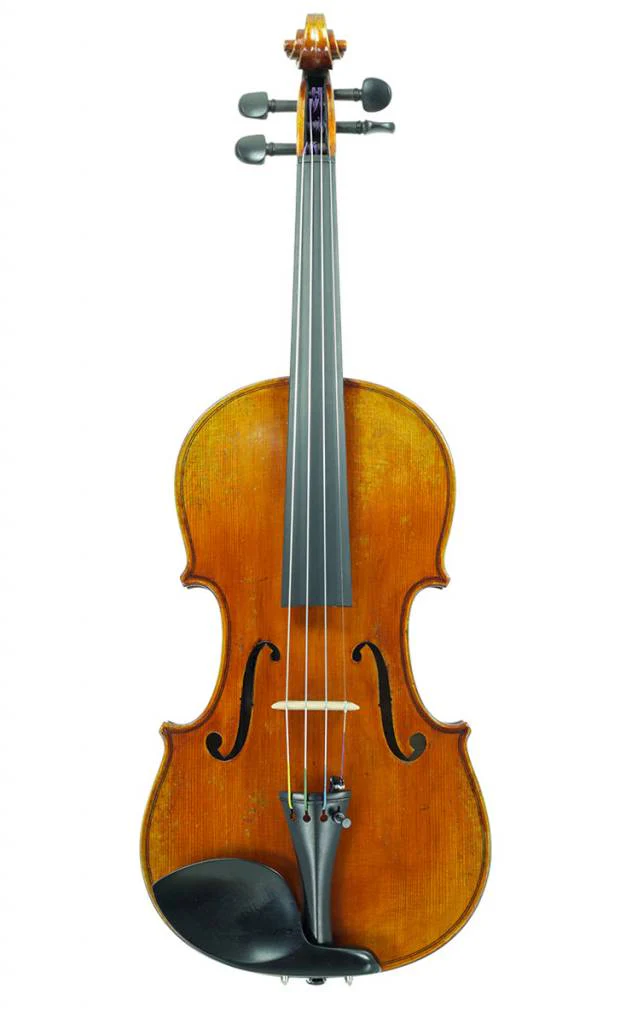
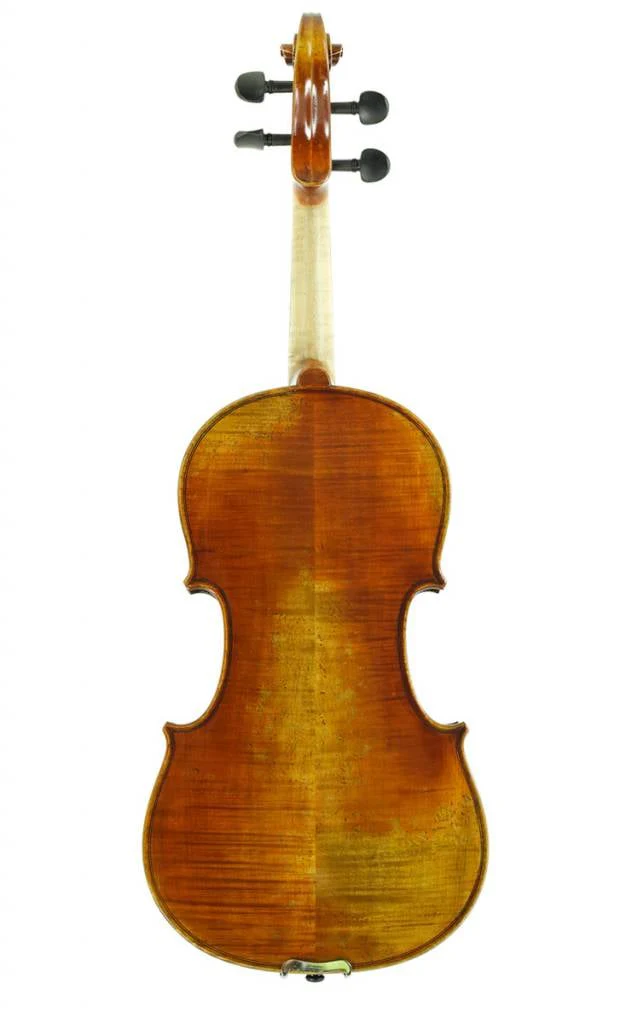
For nearly fifty years, hundreds of children in Quebec and in France have been able to practice a musical instrument, the violin, a practice that has brought them into contact not only with masterpieces by genius composers such as Bach, Mozart, Rossini and others, but also with folk tunes from their country, an expression of their deepest identity. Some of them had their first contact with the Elementary Violin Method at an age as young as one and a half years, thanks to pedagogical processes perfectly adapted to the learning needs of the child.
An immeasurable source of personal enrichment, the practice of music also fosters social relationships when musicians join together to form ensembles. They share a common goal: to produce beauty together to help create a more harmonious world. Personal enrichment contributes to collective progress and is part of a sustainable development perspective.
Part One: Handling the violin
Second part : Finger groupings
Part 3 : The bow - The left hand
- For everyone
- CD included (violin-piano - piano only)
- Texts and explanatory visual elements
- Graded pieces and techniques
- Quality repertoire of the great composers combined with folklore
Original: $21.51
-65%$21.51
$7.53


Description
The two fundamental principles of the Elementary Violin Method are accessibility and the involvement of the child's family environment.
For nearly fifty years, hundreds of children in Quebec and in France have been able to practice a musical instrument, the violin, a practice that has brought them into contact not only with masterpieces by genius composers such as Bach, Mozart, Rossini and others, but also with folk tunes from their country, an expression of their deepest identity. Some of them had their first contact with the Elementary Violin Method at an age as young as one and a half years, thanks to pedagogical processes perfectly adapted to the learning needs of the child.
An immeasurable source of personal enrichment, the practice of music also fosters social relationships when musicians join together to form ensembles. They share a common goal: to produce beauty together to help create a more harmonious world. Personal enrichment contributes to collective progress and is part of a sustainable development perspective.
Part One: Handling the violin
Second part : Finger groupings
Part 3 : The bow - The left hand
- For everyone
- CD included (violin-piano - piano only)
- Texts and explanatory visual elements
- Graded pieces and techniques
- Quality repertoire of the great composers combined with folklore